Buy synthesizer.eu ?
We are moving the project
synthesizer.eu .
Are you interested in purchasing the domain
synthesizer.eu ?
domain@kv-gmbh.de · 0541-91531010
Buy synthesizer.eu ?
Are those healthy budgie beaks?
It is difficult to determine the health of the budgie beaks without a closer examination. Healthy budgie beaks are typically smooth, well-shaped, and free from any discoloration or deformities. If the beaks appear overgrown, discolored, or have any signs of damage, it may indicate a health issue that requires attention from a veterinarian. Regular monitoring and providing appropriate toys and perches for chewing can help maintain the health of budgie beaks. **
Do my budgerigars have cracks in their beaks?
It is not uncommon for budgerigars to have small cracks or imperfections in their beaks. This can be caused by a variety of factors such as diet, genetics, or environmental conditions. However, if the cracks appear to be deep, causing bleeding or affecting the bird's ability to eat or groom itself, it is important to consult a veterinarian for proper treatment. Regular monitoring of your budgerigars' beaks and providing a balanced diet can help prevent and manage any issues with their beaks. **
Similar search terms for Beaks
Top-Angebote
Products related to Beaks:
-
All Categories Goods Digital Vernier Caliper, Carbon Fiber Electronic Micrometer Gauge LCD, High Precision Measuring Instrument Digital Vernier Caliper, Carbon Fiber Electronic Micrometer Gauge LCD, High Precision Measuring InstrumentCarbon Fiber Electronic Digital Vernier Caliper Micrometer Gauge LCD Achieve Unmatched Precision and Efficiency When accuracy matters, the Carbon Fiber Electronic Digital Vernier Caliper Micrometer Gauge LCD is your trusted companion. Designed for...35,97 $*Shipping: 0,00 $Secure redirect to the provider


-
How do budgerigars make sounds with their beaks?
Budgerigars, also known as budgies, make sounds with their beaks by grinding their upper and lower beaks together. This action creates a soft, chattering sound that is often used as a form of communication between budgies. Additionally, budgies can also produce a variety of vocalizations, including chirps, whistles, and squawks, by using their syrinx, a vocal organ located at the base of their trachea. These vocalizations are used for various purposes, such as attracting a mate, warning of danger, or expressing contentment. **
-
Why do birds move their beaks so jerkily?
Birds move their beaks jerkily because it allows them to quickly and accurately capture prey, such as insects or small fish. This rapid movement helps them to snatch their prey with precision and speed, making it easier for them to catch their food. Additionally, the jerky movement of their beaks may also help birds to break open seeds or nuts, allowing them to access the nutritious contents inside. Overall, the jerky movement of their beaks is an adaptation that helps birds to efficiently feed and survive in their natural environment. **
-
What is special about the beaks of the Darwin's finches?
The beaks of Darwin's finches are special because they have evolved to be different shapes and sizes in order to adapt to different food sources. This is a classic example of adaptive radiation, where a single ancestral species diversifies into multiple species with different ecological roles. The beak shapes of the finches allow them to access different types of food, such as seeds, insects, or nectar, depending on the specific environmental conditions of their habitat. This variation in beak morphology has allowed the finches to successfully exploit a wide range of ecological niches in the Galápagos Islands. **
-
Why do tits peck at the window with their beaks?
Tits may peck at windows for a few reasons. They may see their reflection and mistake it for a rival bird, leading them to peck at the window in an attempt to drive the "intruder" away. Additionally, they may be trying to access insects or other food that they see on the other side of the window. In some cases, they may also be trying to build a nest or find a suitable nesting site. It's important to try to deter this behavior, as it can be harmful to the birds and may also damage the window. **

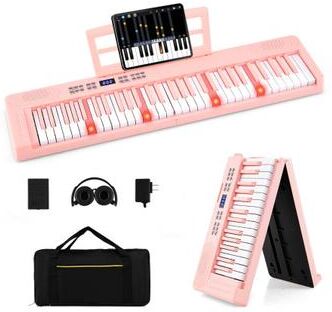
Which sound card is suitable for the MIDI keyboard?
A sound card with MIDI input and output ports is suitable for connecting a MIDI keyboard. This allows the MIDI signals from the keyboard to be transmitted to the computer for recording or playback. Additionally, a sound card with low latency and high-quality digital-to-analog converters can help ensure accurate and high-fidelity sound reproduction from the MIDI keyboard. It is recommended to choose a sound card that is compatible with your computer's operating system and has the necessary drivers for seamless integration with your MIDI keyboard. **
Why is my MIDI keyboard not producing any sound?
There could be several reasons why your MIDI keyboard is not producing any sound. First, make sure that the keyboard is properly connected to your computer or audio interface. Check the volume levels on both the keyboard and your computer to ensure they are not muted or set too low. Additionally, make sure that the correct MIDI channel and instrument are selected on your keyboard and in your music software. If you have tried these steps and are still experiencing issues, there may be a problem with the keyboard itself, and you may need to troubleshoot or seek professional help. **
Top-Angebote
Products related to Beaks:
-
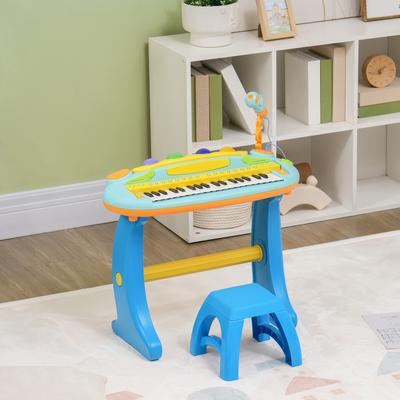
Qaba Kids Piano Keyboard, 37 Key Piano for Kids, Electronic Music Educational Instrument with Microphone, Stool, for 3-6 YearsDescriptions: Spark your child's musical genius with the Qaba kid's piano. This baby piano turns every play session into a concert with 37 keys, 22 built-in songs, and 8 diverse rhythms.85,99 $*Shipping: 0,00 $Secure redirect to the provider
-
All Categories Goods Digital Vernier Caliper, Carbon Fiber Electronic Micrometer Gauge LCD, High Precision Measuring Instrument Digital Vernier Caliper, Carbon Fiber Electronic Micrometer Gauge LCD, High Precision Measuring InstrumentCarbon Fiber Electronic Digital Vernier Caliper Micrometer Gauge LCD Achieve Unmatched Precision and Efficiency When accuracy matters, the Carbon Fiber Electronic Digital Vernier Caliper Micrometer Gauge LCD is your trusted companion. Designed for...35,97 $*Shipping: 0,00 $Secure redirect to the provider
-
Are those healthy budgie beaks?
It is difficult to determine the health of the budgie beaks without a closer examination. Healthy budgie beaks are typically smooth, well-shaped, and free from any discoloration or deformities. If the beaks appear overgrown, discolored, or have any signs of damage, it may indicate a health issue that requires attention from a veterinarian. Regular monitoring and providing appropriate toys and perches for chewing can help maintain the health of budgie beaks. **
-
Do my budgerigars have cracks in their beaks?
It is not uncommon for budgerigars to have small cracks or imperfections in their beaks. This can be caused by a variety of factors such as diet, genetics, or environmental conditions. However, if the cracks appear to be deep, causing bleeding or affecting the bird's ability to eat or groom itself, it is important to consult a veterinarian for proper treatment. Regular monitoring of your budgerigars' beaks and providing a balanced diet can help prevent and manage any issues with their beaks. **
-
How do budgerigars make sounds with their beaks?
Budgerigars, also known as budgies, make sounds with their beaks by grinding their upper and lower beaks together. This action creates a soft, chattering sound that is often used as a form of communication between budgies. Additionally, budgies can also produce a variety of vocalizations, including chirps, whistles, and squawks, by using their syrinx, a vocal organ located at the base of their trachea. These vocalizations are used for various purposes, such as attracting a mate, warning of danger, or expressing contentment. **
-
Why do birds move their beaks so jerkily?
Birds move their beaks jerkily because it allows them to quickly and accurately capture prey, such as insects or small fish. This rapid movement helps them to snatch their prey with precision and speed, making it easier for them to catch their food. Additionally, the jerky movement of their beaks may also help birds to break open seeds or nuts, allowing them to access the nutritious contents inside. Overall, the jerky movement of their beaks is an adaptation that helps birds to efficiently feed and survive in their natural environment. **
Similar search terms for Beaks
-
Costway 37-key Kids Electronic Piano Keyboard Playset-PinkThe 37-key toy piano is designed for kids with multiply functions including 8 rhythms, 8 instrument sounds, 4 percussion sounds and demo songs for a little toddler musician to perform freely.54,99 $*Shipping: 0,00 $Secure redirect to the provider
-
What is special about the beaks of the Darwin's finches?
The beaks of Darwin's finches are special because they have evolved to be different shapes and sizes in order to adapt to different food sources. This is a classic example of adaptive radiation, where a single ancestral species diversifies into multiple species with different ecological roles. The beak shapes of the finches allow them to access different types of food, such as seeds, insects, or nectar, depending on the specific environmental conditions of their habitat. This variation in beak morphology has allowed the finches to successfully exploit a wide range of ecological niches in the Galápagos Islands. **
-
Why do tits peck at the window with their beaks?
Tits may peck at windows for a few reasons. They may see their reflection and mistake it for a rival bird, leading them to peck at the window in an attempt to drive the "intruder" away. Additionally, they may be trying to access insects or other food that they see on the other side of the window. In some cases, they may also be trying to build a nest or find a suitable nesting site. It's important to try to deter this behavior, as it can be harmful to the birds and may also damage the window. **
-
Which sound card is suitable for the MIDI keyboard?
A sound card with MIDI input and output ports is suitable for connecting a MIDI keyboard. This allows the MIDI signals from the keyboard to be transmitted to the computer for recording or playback. Additionally, a sound card with low latency and high-quality digital-to-analog converters can help ensure accurate and high-fidelity sound reproduction from the MIDI keyboard. It is recommended to choose a sound card that is compatible with your computer's operating system and has the necessary drivers for seamless integration with your MIDI keyboard. **
-
Why is my MIDI keyboard not producing any sound?
There could be several reasons why your MIDI keyboard is not producing any sound. First, make sure that the keyboard is properly connected to your computer or audio interface. Check the volume levels on both the keyboard and your computer to ensure they are not muted or set too low. Additionally, make sure that the correct MIDI channel and instrument are selected on your keyboard and in your music software. If you have tried these steps and are still experiencing issues, there may be a problem with the keyboard itself, and you may need to troubleshoot or seek professional help. **
* All prices are inclusive of VAT and, if applicable, plus shipping costs. The offer information is based on the details provided by the respective shop and is updated through automated processes. Real-time updates do not occur, so deviations can occur in individual cases. ** Note: Parts of this content were created by AI.