Buy synthesizer.eu ?
We are moving the project
synthesizer.eu .
Are you interested in purchasing the domain
synthesizer.eu ?
domain@kv-gmbh.de · 0541-91531010
Buy synthesizer.eu ?
How does the Thuringian dialect sound?
The Thuringian dialect is known for its distinct pronunciation and unique vocabulary. It is often described as having a melodic and sing-song quality, with a noticeable use of diphthongs and a soft, flowing rhythm. The dialect also features a number of regional variations, with differences in pronunciation and vocabulary depending on the specific area within Thuringia. Overall, the Thuringian dialect is considered to be charming and expressive, reflecting the rich cultural heritage of the region. **
How does the Austrian dialect sound?
The Austrian dialect is known for its melodic and sing-song quality, with a distinctive rhythm and intonation. It can sound quite different from standard German, with unique vowel sounds and pronunciation. The dialect also includes a number of regional variations, so the sound can vary depending on the specific region of Austria. Overall, the Austrian dialect is often described as charming and pleasant to listen to. **
Similar search terms for Dialect
Top-Angebote
Products related to Dialect:
-
All Categories Goods Digital Vernier Caliper, Carbon Fiber Electronic Micrometer Gauge LCD, High Precision Measuring Instrument Digital Vernier Caliper, Carbon Fiber Electronic Micrometer Gauge LCD, High Precision Measuring InstrumentCarbon Fiber Electronic Digital Vernier Caliper Micrometer Gauge LCD Achieve Unmatched Precision and Efficiency When accuracy matters, the Carbon Fiber Electronic Digital Vernier Caliper Micrometer Gauge LCD is your trusted companion. Designed for...35,97 $*Shipping: 0,00 $Secure redirect to the provider


-
'How does the Saxon dialect sound?'
The Saxon dialect is characterized by its distinct pronunciation and intonation. It is often described as having a strong, guttural sound with a melodic rhythm. The pronunciation of certain vowels and consonants differs from standard German, giving the dialect a unique and recognizable sound. Overall, the Saxon dialect is known for its rich and expressive tonality. **
-
How does the Ahrntal dialect or the Pustertal dialect sound to you Germans?
To Germans, the Ahrntal dialect and the Pustertal dialect may sound quite distinct and unique. The Ahrntal dialect is known for its melodic and sing-song quality, with soft and flowing sounds. On the other hand, the Pustertal dialect may sound more robust and guttural, with sharper consonants and a faster pace. Both dialects may be perceived as charming and intriguing to German speakers, offering a glimpse into the rich linguistic diversity of the region. **
-
How does the dialect in Thuringia sound?
The dialect in Thuringia is characterized by its unique pronunciation and vocabulary. It is known for its soft and melodic sound, with a tendency to drop the final consonants in words. The dialect also features specific regional words and expressions that set it apart from standard German. Overall, the dialect in Thuringia has a distinct and charming sound that reflects the region's cultural heritage. **
-
How does the dialect in Lower Saxony sound?
The dialect in Lower Saxony is known for its distinct pronunciation and vocabulary. It is characterized by a flat and nasal sound, with some similarities to the dialects spoken in neighboring regions such as Westphalia and East Frisia. The dialect also features unique words and expressions that set it apart from standard German. Overall, the dialect in Lower Saxony has a charming and distinctive sound that reflects the region's cultural heritage. **

Which English dialect?
There are many different English dialects spoken around the world, including American English, British English, Australian English, and more. The specific dialect spoken by an individual can depend on factors such as their geographical location, cultural background, and personal experiences. Each dialect has its own unique vocabulary, pronunciation, and grammar rules that set it apart from others. **
What is dialect?
Dialect refers to a particular form of a language that is specific to a region, social group, or cultural group. It includes variations in pronunciation, vocabulary, and grammar that distinguish it from other forms of the same language. Dialects can develop due to isolation, migration, or historical factors, and they play a significant role in shaping a person's identity and sense of belonging within a community. **
Top-Angebote
Products related to Dialect:
-
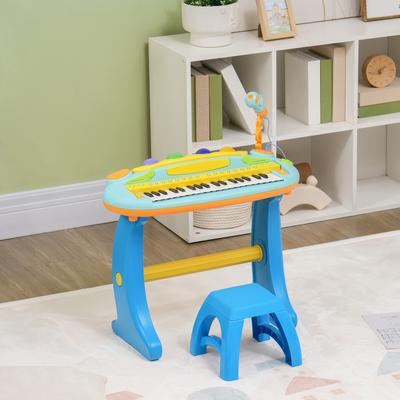
Qaba Kids Piano Keyboard, 37 Key Piano for Kids, Electronic Music Educational Instrument with Microphone, Stool, for 3-6 YearsDescriptions: Spark your child's musical genius with the Qaba kid's piano. This baby piano turns every play session into a concert with 37 keys, 22 built-in songs, and 8 diverse rhythms.85,99 $*Shipping: 0,00 $Secure redirect to the provider
-
All Categories Goods Digital Vernier Caliper, Carbon Fiber Electronic Micrometer Gauge LCD, High Precision Measuring Instrument Digital Vernier Caliper, Carbon Fiber Electronic Micrometer Gauge LCD, High Precision Measuring InstrumentCarbon Fiber Electronic Digital Vernier Caliper Micrometer Gauge LCD Achieve Unmatched Precision and Efficiency When accuracy matters, the Carbon Fiber Electronic Digital Vernier Caliper Micrometer Gauge LCD is your trusted companion. Designed for...35,97 $*Shipping: 0,00 $Secure redirect to the provider
-
How does the Thuringian dialect sound?
The Thuringian dialect is known for its distinct pronunciation and unique vocabulary. It is often described as having a melodic and sing-song quality, with a noticeable use of diphthongs and a soft, flowing rhythm. The dialect also features a number of regional variations, with differences in pronunciation and vocabulary depending on the specific area within Thuringia. Overall, the Thuringian dialect is considered to be charming and expressive, reflecting the rich cultural heritage of the region. **
-
How does the Austrian dialect sound?
The Austrian dialect is known for its melodic and sing-song quality, with a distinctive rhythm and intonation. It can sound quite different from standard German, with unique vowel sounds and pronunciation. The dialect also includes a number of regional variations, so the sound can vary depending on the specific region of Austria. Overall, the Austrian dialect is often described as charming and pleasant to listen to. **
-
'How does the Saxon dialect sound?'
The Saxon dialect is characterized by its distinct pronunciation and intonation. It is often described as having a strong, guttural sound with a melodic rhythm. The pronunciation of certain vowels and consonants differs from standard German, giving the dialect a unique and recognizable sound. Overall, the Saxon dialect is known for its rich and expressive tonality. **
-
How does the Ahrntal dialect or the Pustertal dialect sound to you Germans?
To Germans, the Ahrntal dialect and the Pustertal dialect may sound quite distinct and unique. The Ahrntal dialect is known for its melodic and sing-song quality, with soft and flowing sounds. On the other hand, the Pustertal dialect may sound more robust and guttural, with sharper consonants and a faster pace. Both dialects may be perceived as charming and intriguing to German speakers, offering a glimpse into the rich linguistic diversity of the region. **
Similar search terms for Dialect
-
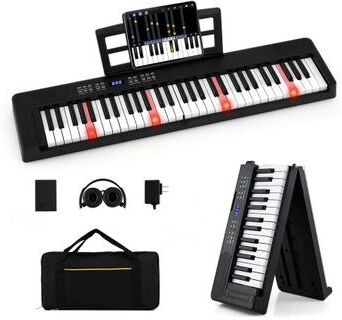
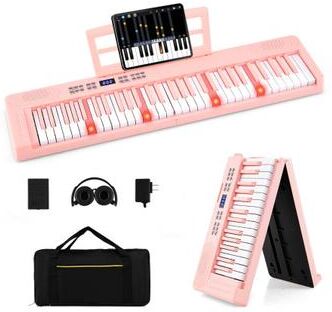
Costway 37-key Kids Electronic Piano Keyboard Playset-PinkThe 37-key toy piano is designed for kids with multiply functions including 8 rhythms, 8 instrument sounds, 4 percussion sounds and demo songs for a little toddler musician to perform freely.54,99 $*Shipping: 0,00 $Secure redirect to the provider
-
How does the dialect in Thuringia sound?
The dialect in Thuringia is characterized by its unique pronunciation and vocabulary. It is known for its soft and melodic sound, with a tendency to drop the final consonants in words. The dialect also features specific regional words and expressions that set it apart from standard German. Overall, the dialect in Thuringia has a distinct and charming sound that reflects the region's cultural heritage. **
-
How does the dialect in Lower Saxony sound?
The dialect in Lower Saxony is known for its distinct pronunciation and vocabulary. It is characterized by a flat and nasal sound, with some similarities to the dialects spoken in neighboring regions such as Westphalia and East Frisia. The dialect also features unique words and expressions that set it apart from standard German. Overall, the dialect in Lower Saxony has a charming and distinctive sound that reflects the region's cultural heritage. **
-
Which English dialect?
There are many different English dialects spoken around the world, including American English, British English, Australian English, and more. The specific dialect spoken by an individual can depend on factors such as their geographical location, cultural background, and personal experiences. Each dialect has its own unique vocabulary, pronunciation, and grammar rules that set it apart from others. **
-
What is dialect?
Dialect refers to a particular form of a language that is specific to a region, social group, or cultural group. It includes variations in pronunciation, vocabulary, and grammar that distinguish it from other forms of the same language. Dialects can develop due to isolation, migration, or historical factors, and they play a significant role in shaping a person's identity and sense of belonging within a community. **
* All prices are inclusive of VAT and, if applicable, plus shipping costs. The offer information is based on the details provided by the respective shop and is updated through automated processes. Real-time updates do not occur, so deviations can occur in individual cases. ** Note: Parts of this content were created by AI.