Buy synthesizer.eu ?
We are moving the project
synthesizer.eu .
Are you interested in purchasing the domain
synthesizer.eu ?
domain@kv-gmbh.de · 0541-91531010
Buy synthesizer.eu ?
What is polymorphism in Java programming?
Polymorphism in Java programming refers to the ability of a method to behave differently based on the object it is called on. This means that a single method can have different implementations depending on the type of object it is called on. This allows for more flexibility and reusability in code, as different objects can use the same method name but have different behaviors. Polymorphism is achieved through method overloading and method overriding in Java. **
How is identification done after VNTR polymorphism?
Identification after VNTR polymorphism is done by comparing the number of repeats in the variable number tandem repeats (VNTR) region of DNA between different individuals. This is typically done using a technique called polymerase chain reaction (PCR) to amplify the VNTR region, followed by gel electrophoresis to separate the DNA fragments based on size. The resulting pattern of DNA fragments, known as a DNA fingerprint, can then be compared between individuals to determine if they share a common genetic profile. This method is commonly used in forensic science and paternity testing to establish relationships between individuals based on their VNTR profiles. **

Similar search terms for Polymorphism
Top-Angebote
Products related to Polymorphism:
-
All Categories Goods Digital Vernier Caliper, Carbon Fiber Electronic Micrometer Gauge LCD, High Precision Measuring Instrument Digital Vernier Caliper, Carbon Fiber Electronic Micrometer Gauge LCD, High Precision Measuring InstrumentCarbon Fiber Electronic Digital Vernier Caliper Micrometer Gauge LCD Achieve Unmatched Precision and Efficiency When accuracy matters, the Carbon Fiber Electronic Digital Vernier Caliper Micrometer Gauge LCD is your trusted companion. Designed for...35,97 $*Shipping: 0,00 $Secure redirect to the provider


-
What is polymorphism in object-oriented programming?
Polymorphism in object-oriented programming refers to the ability of different objects to respond to the same message or method call in different ways. This means that objects of different classes can be treated as objects of a common superclass, allowing for more flexible and reusable code. Polymorphism allows for the implementation of methods that can work with objects of various types, making the code more adaptable and easier to maintain. This concept is a key feature of object-oriented programming and helps to promote code reusability and flexibility. **
-
What is dynamic polymorphism in object-oriented programming?
Dynamic polymorphism in object-oriented programming refers to the ability of a program to determine at runtime which method to invoke based on the actual type of object being referenced. This allows for flexibility and extensibility in the code, as different objects can exhibit different behaviors even if they belong to the same class hierarchy. Dynamic polymorphism is achieved through method overriding, where a subclass provides a specific implementation of a method defined in its superclass. This feature enables code reusability and promotes the principle of "write once, use many times" in object-oriented programming. **
-
What is the difference between polymorphism, allotropy, and pseudopolymorphism?
Polymorphism refers to the ability of a substance to exist in different crystal structures or forms. Allotropy, on the other hand, specifically refers to the existence of an element in multiple different forms, each with its own unique physical properties. Pseudopolymorphism, also known as solvomorphism, occurs when a substance appears to have different crystal forms due to the presence of solvent molecules within its crystal lattice. In summary, while polymorphism and allotropy refer to the different forms of a substance, pseudopolymorphism involves the influence of solvent molecules on the crystal structure. **
-
What is the difference between inheritance and polymorphism in Java?
Inheritance in Java allows a class to inherit properties and behaviors from another class, promoting code reusability. On the other hand, polymorphism allows objects of different classes to be treated as objects of a common superclass, enabling flexibility and extensibility in the code. Inheritance establishes an "is-a" relationship between classes, while polymorphism enables an object to take on multiple forms based on its context. **

What is the difference between substitution and polymorphism in Java?
Substitution refers to the ability to use a derived class object wherever a base class object is expected. This allows for code reusability and flexibility in the use of objects. Polymorphism, on the other hand, refers to the ability of a reference variable to point to different types of objects and invoke methods specific to those objects at runtime. In Java, polymorphism is achieved through method overriding, where a subclass provides a specific implementation of a method defined in its superclass. Overall, substitution is a concept related to inheritance and the use of derived classes, while polymorphism is a broader concept related to the ability of objects to take on different forms at runtime. **
Which sound card is suitable for the MIDI keyboard?
A sound card with MIDI input and output ports is suitable for connecting a MIDI keyboard. This allows the MIDI signals from the keyboard to be transmitted to the computer for recording or playback. Additionally, a sound card with low latency and high-quality digital-to-analog converters can help ensure accurate and high-fidelity sound reproduction from the MIDI keyboard. It is recommended to choose a sound card that is compatible with your computer's operating system and has the necessary drivers for seamless integration with your MIDI keyboard. **
Top-Angebote
Products related to Polymorphism:
-
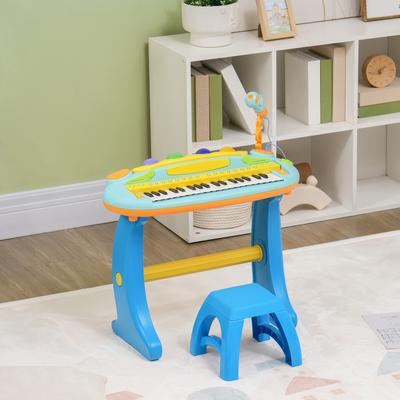
Qaba Kids Piano Keyboard, 37 Key Piano for Kids, Electronic Music Educational Instrument with Microphone, Stool, for 3-6 YearsDescriptions: Spark your child's musical genius with the Qaba kid's piano. This baby piano turns every play session into a concert with 37 keys, 22 built-in songs, and 8 diverse rhythms.85,99 $*Shipping: 0,00 $Secure redirect to the provider
-
All Categories Goods Digital Vernier Caliper, Carbon Fiber Electronic Micrometer Gauge LCD, High Precision Measuring Instrument Digital Vernier Caliper, Carbon Fiber Electronic Micrometer Gauge LCD, High Precision Measuring InstrumentCarbon Fiber Electronic Digital Vernier Caliper Micrometer Gauge LCD Achieve Unmatched Precision and Efficiency When accuracy matters, the Carbon Fiber Electronic Digital Vernier Caliper Micrometer Gauge LCD is your trusted companion. Designed for...35,97 $*Shipping: 0,00 $Secure redirect to the provider
-
What is polymorphism in Java programming?
Polymorphism in Java programming refers to the ability of a method to behave differently based on the object it is called on. This means that a single method can have different implementations depending on the type of object it is called on. This allows for more flexibility and reusability in code, as different objects can use the same method name but have different behaviors. Polymorphism is achieved through method overloading and method overriding in Java. **
-
How is identification done after VNTR polymorphism?
Identification after VNTR polymorphism is done by comparing the number of repeats in the variable number tandem repeats (VNTR) region of DNA between different individuals. This is typically done using a technique called polymerase chain reaction (PCR) to amplify the VNTR region, followed by gel electrophoresis to separate the DNA fragments based on size. The resulting pattern of DNA fragments, known as a DNA fingerprint, can then be compared between individuals to determine if they share a common genetic profile. This method is commonly used in forensic science and paternity testing to establish relationships between individuals based on their VNTR profiles. **
-
What is polymorphism in object-oriented programming?
Polymorphism in object-oriented programming refers to the ability of different objects to respond to the same message or method call in different ways. This means that objects of different classes can be treated as objects of a common superclass, allowing for more flexible and reusable code. Polymorphism allows for the implementation of methods that can work with objects of various types, making the code more adaptable and easier to maintain. This concept is a key feature of object-oriented programming and helps to promote code reusability and flexibility. **
-
What is dynamic polymorphism in object-oriented programming?
Dynamic polymorphism in object-oriented programming refers to the ability of a program to determine at runtime which method to invoke based on the actual type of object being referenced. This allows for flexibility and extensibility in the code, as different objects can exhibit different behaviors even if they belong to the same class hierarchy. Dynamic polymorphism is achieved through method overriding, where a subclass provides a specific implementation of a method defined in its superclass. This feature enables code reusability and promotes the principle of "write once, use many times" in object-oriented programming. **
Similar search terms for Polymorphism
-
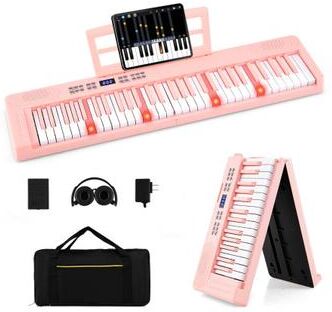
Costway 37-key Kids Electronic Piano Keyboard Playset-PinkThe 37-key toy piano is designed for kids with multiply functions including 8 rhythms, 8 instrument sounds, 4 percussion sounds and demo songs for a little toddler musician to perform freely.54,99 $*Shipping: 0,00 $Secure redirect to the provider
-
What is the difference between polymorphism, allotropy, and pseudopolymorphism?
Polymorphism refers to the ability of a substance to exist in different crystal structures or forms. Allotropy, on the other hand, specifically refers to the existence of an element in multiple different forms, each with its own unique physical properties. Pseudopolymorphism, also known as solvomorphism, occurs when a substance appears to have different crystal forms due to the presence of solvent molecules within its crystal lattice. In summary, while polymorphism and allotropy refer to the different forms of a substance, pseudopolymorphism involves the influence of solvent molecules on the crystal structure. **
-
What is the difference between inheritance and polymorphism in Java?
Inheritance in Java allows a class to inherit properties and behaviors from another class, promoting code reusability. On the other hand, polymorphism allows objects of different classes to be treated as objects of a common superclass, enabling flexibility and extensibility in the code. Inheritance establishes an "is-a" relationship between classes, while polymorphism enables an object to take on multiple forms based on its context. **
-
What is the difference between substitution and polymorphism in Java?
Substitution refers to the ability to use a derived class object wherever a base class object is expected. This allows for code reusability and flexibility in the use of objects. Polymorphism, on the other hand, refers to the ability of a reference variable to point to different types of objects and invoke methods specific to those objects at runtime. In Java, polymorphism is achieved through method overriding, where a subclass provides a specific implementation of a method defined in its superclass. Overall, substitution is a concept related to inheritance and the use of derived classes, while polymorphism is a broader concept related to the ability of objects to take on different forms at runtime. **
-
Which sound card is suitable for the MIDI keyboard?
A sound card with MIDI input and output ports is suitable for connecting a MIDI keyboard. This allows the MIDI signals from the keyboard to be transmitted to the computer for recording or playback. Additionally, a sound card with low latency and high-quality digital-to-analog converters can help ensure accurate and high-fidelity sound reproduction from the MIDI keyboard. It is recommended to choose a sound card that is compatible with your computer's operating system and has the necessary drivers for seamless integration with your MIDI keyboard. **
* All prices are inclusive of VAT and, if applicable, plus shipping costs. The offer information is based on the details provided by the respective shop and is updated through automated processes. Real-time updates do not occur, so deviations can occur in individual cases. ** Note: Parts of this content were created by AI.