Buy synthesizer.eu ?
We are moving the project
synthesizer.eu .
Are you interested in purchasing the domain
synthesizer.eu ?
domain@kv-gmbh.de · 0541-91531010
Buy synthesizer.eu ?
What is the state between sleep and wakefulness called?
The state between sleep and wakefulness is called the hypnagogic state. This is the transitional period when a person is just starting to fall asleep and may experience hallucinations, vivid imagery, or sudden jerks known as hypnic jerks. It is a unique state of consciousness that occurs as the brain transitions from wakefulness to sleep. **
What is the connection between wakefulness, dreaming, and sleep disorders?
Wakefulness, dreaming, and sleep disorders are all interconnected aspects of the sleep-wake cycle. During wakefulness, the brain is active and alert, while dreaming occurs during the rapid eye movement (REM) stage of sleep. Sleep disorders can disrupt the normal transitions between these states, leading to difficulties in falling asleep, staying asleep, or experiencing restorative sleep. For example, conditions like insomnia can lead to prolonged periods of wakefulness, while sleep disorders like sleep apnea can disrupt the normal sleep cycle and lead to fragmented sleep and reduced REM sleep. Overall, the connection between wakefulness, dreaming, and sleep disorders highlights the importance of maintaining a healthy sleep-wake cycle for overall well-being. **


Similar search terms for Wakefulness
Top-Angebote
Products related to Wakefulness:
-
All Categories Goods Digital Vernier Caliper, Carbon Fiber Electronic Micrometer Gauge LCD, High Precision Measuring Instrument Digital Vernier Caliper, Carbon Fiber Electronic Micrometer Gauge LCD, High Precision Measuring InstrumentCarbon Fiber Electronic Digital Vernier Caliper Micrometer Gauge LCD Achieve Unmatched Precision and Efficiency When accuracy matters, the Carbon Fiber Electronic Digital Vernier Caliper Micrometer Gauge LCD is your trusted companion. Designed for...35,97 $*Shipping: 0,00 $Secure redirect to the provider




-
How does the conscious transition from wakefulness to a dream state work?
The transition from wakefulness to a dream state involves a complex interplay of brain activity and neurotransmitter release. As a person falls asleep, their brain waves slow down and shift from the alert, active state of wakefulness to the more relaxed and subdued state of sleep. During this transition, the brain's levels of certain neurotransmitters, such as serotonin and norepinephrine, decrease, while the levels of other neurotransmitters, such as acetylcholine and dopamine, increase. This shift in neurotransmitter levels helps to facilitate the onset of dreaming by altering the brain's processing of sensory information and promoting the generation of vivid and often bizarre dream imagery. Additionally, the brain's limbic system, which is involved in emotional processing, becomes more active during this transition, contributing to the emotional content of dreams. **
-
Does our subconscious mind absorb information during sleep as it does during wakefulness?
Yes, our subconscious mind continues to absorb information during sleep, although the process may be different from wakefulness. While we are asleep, our brain consolidates memories and processes information received during the day. This is why studying before sleep can enhance memory retention. Additionally, our subconscious mind may also work on problem-solving and creative thinking during sleep, leading to insights and solutions upon waking up. **
-
Which sound card is suitable for the MIDI keyboard?
A sound card with MIDI input and output ports is suitable for connecting a MIDI keyboard. This allows the MIDI signals from the keyboard to be transmitted to the computer for recording or playback. Additionally, a sound card with low latency and high-quality digital-to-analog converters can help ensure accurate and high-fidelity sound reproduction from the MIDI keyboard. It is recommended to choose a sound card that is compatible with your computer's operating system and has the necessary drivers for seamless integration with your MIDI keyboard. **
-
Why is my MIDI keyboard not producing any sound?
There could be several reasons why your MIDI keyboard is not producing any sound. First, make sure that the keyboard is properly connected to your computer or audio interface. Check the volume levels on both the keyboard and your computer to ensure they are not muted or set too low. Additionally, make sure that the correct MIDI channel and instrument are selected on your keyboard and in your music software. If you have tried these steps and are still experiencing issues, there may be a problem with the keyboard itself, and you may need to troubleshoot or seek professional help. **

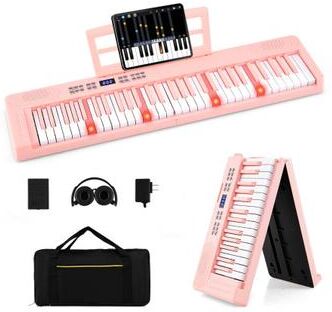
Which instrument or synthesizer is being used?
The instrument being used in the song is a synthesizer. The sound is characterized by its electronic and futuristic quality, which is typical of synthesizers. The synthesizer is often used to create a wide range of sounds and effects, making it a versatile instrument in modern music production. **
Can a synthesizer be used as a MIDI controller?
Yes, a synthesizer can be used as a MIDI controller. Many synthesizers come equipped with MIDI capabilities, allowing them to send and receive MIDI data to control other MIDI-compatible devices such as software instruments, samplers, and DAWs. This means that the synthesizer's keys, knobs, and other controls can be used to manipulate and trigger sounds in external devices, effectively functioning as a MIDI controller. Additionally, some synthesizers also have the ability to transmit and receive MIDI over USB, further expanding their potential as a MIDI controller. **
Top-Angebote
Products related to Wakefulness:
-
Qaba Kids Piano Keyboard, 37 Key Piano for Kids, Electronic Music Educational Instrument with Microphone, Stool, for 3-6 YearsDescriptions: Spark your child's musical genius with the Qaba kid's piano. This baby piano turns every play session into a concert with 37 keys, 22 built-in songs, and 8 diverse rhythms.85,99 $*Shipping: 0,00 $Secure redirect to the provider
-
All Categories Goods Digital Vernier Caliper, Carbon Fiber Electronic Micrometer Gauge LCD, High Precision Measuring Instrument Digital Vernier Caliper, Carbon Fiber Electronic Micrometer Gauge LCD, High Precision Measuring InstrumentCarbon Fiber Electronic Digital Vernier Caliper Micrometer Gauge LCD Achieve Unmatched Precision and Efficiency When accuracy matters, the Carbon Fiber Electronic Digital Vernier Caliper Micrometer Gauge LCD is your trusted companion. Designed for...35,97 $*Shipping: 0,00 $Secure redirect to the provider
-
What is the state between sleep and wakefulness called?
The state between sleep and wakefulness is called the hypnagogic state. This is the transitional period when a person is just starting to fall asleep and may experience hallucinations, vivid imagery, or sudden jerks known as hypnic jerks. It is a unique state of consciousness that occurs as the brain transitions from wakefulness to sleep. **
-
What is the connection between wakefulness, dreaming, and sleep disorders?
Wakefulness, dreaming, and sleep disorders are all interconnected aspects of the sleep-wake cycle. During wakefulness, the brain is active and alert, while dreaming occurs during the rapid eye movement (REM) stage of sleep. Sleep disorders can disrupt the normal transitions between these states, leading to difficulties in falling asleep, staying asleep, or experiencing restorative sleep. For example, conditions like insomnia can lead to prolonged periods of wakefulness, while sleep disorders like sleep apnea can disrupt the normal sleep cycle and lead to fragmented sleep and reduced REM sleep. Overall, the connection between wakefulness, dreaming, and sleep disorders highlights the importance of maintaining a healthy sleep-wake cycle for overall well-being. **
-
How does the conscious transition from wakefulness to a dream state work?
The transition from wakefulness to a dream state involves a complex interplay of brain activity and neurotransmitter release. As a person falls asleep, their brain waves slow down and shift from the alert, active state of wakefulness to the more relaxed and subdued state of sleep. During this transition, the brain's levels of certain neurotransmitters, such as serotonin and norepinephrine, decrease, while the levels of other neurotransmitters, such as acetylcholine and dopamine, increase. This shift in neurotransmitter levels helps to facilitate the onset of dreaming by altering the brain's processing of sensory information and promoting the generation of vivid and often bizarre dream imagery. Additionally, the brain's limbic system, which is involved in emotional processing, becomes more active during this transition, contributing to the emotional content of dreams. **
-
Does our subconscious mind absorb information during sleep as it does during wakefulness?
Yes, our subconscious mind continues to absorb information during sleep, although the process may be different from wakefulness. While we are asleep, our brain consolidates memories and processes information received during the day. This is why studying before sleep can enhance memory retention. Additionally, our subconscious mind may also work on problem-solving and creative thinking during sleep, leading to insights and solutions upon waking up. **
Similar search terms for Wakefulness
-
Costway 37-key Kids Electronic Piano Keyboard Playset-PinkThe 37-key toy piano is designed for kids with multiply functions including 8 rhythms, 8 instrument sounds, 4 percussion sounds and demo songs for a little toddler musician to perform freely.54,99 $*Shipping: 0,00 $Secure redirect to the provider
-
Which sound card is suitable for the MIDI keyboard?
A sound card with MIDI input and output ports is suitable for connecting a MIDI keyboard. This allows the MIDI signals from the keyboard to be transmitted to the computer for recording or playback. Additionally, a sound card with low latency and high-quality digital-to-analog converters can help ensure accurate and high-fidelity sound reproduction from the MIDI keyboard. It is recommended to choose a sound card that is compatible with your computer's operating system and has the necessary drivers for seamless integration with your MIDI keyboard. **
-
Why is my MIDI keyboard not producing any sound?
There could be several reasons why your MIDI keyboard is not producing any sound. First, make sure that the keyboard is properly connected to your computer or audio interface. Check the volume levels on both the keyboard and your computer to ensure they are not muted or set too low. Additionally, make sure that the correct MIDI channel and instrument are selected on your keyboard and in your music software. If you have tried these steps and are still experiencing issues, there may be a problem with the keyboard itself, and you may need to troubleshoot or seek professional help. **
-
Which instrument or synthesizer is being used?
The instrument being used in the song is a synthesizer. The sound is characterized by its electronic and futuristic quality, which is typical of synthesizers. The synthesizer is often used to create a wide range of sounds and effects, making it a versatile instrument in modern music production. **
-
Can a synthesizer be used as a MIDI controller?
Yes, a synthesizer can be used as a MIDI controller. Many synthesizers come equipped with MIDI capabilities, allowing them to send and receive MIDI data to control other MIDI-compatible devices such as software instruments, samplers, and DAWs. This means that the synthesizer's keys, knobs, and other controls can be used to manipulate and trigger sounds in external devices, effectively functioning as a MIDI controller. Additionally, some synthesizers also have the ability to transmit and receive MIDI over USB, further expanding their potential as a MIDI controller. **
* All prices are inclusive of VAT and, if applicable, plus shipping costs. The offer information is based on the details provided by the respective shop and is updated through automated processes. Real-time updates do not occur, so deviations can occur in individual cases. ** Note: Parts of this content were created by AI.