Buy synthesizer.eu ?
We are moving the project
synthesizer.eu .
Are you interested in purchasing the domain
synthesizer.eu ?
domain@kv-gmbh.de · 0541-91531010
Buy synthesizer.eu ?
What are the critical regions of tRNA?
The critical regions of tRNA are the anticodon loop, the amino acid acceptor stem, and the TΨC (thymine, pseudouridine, cytosine) loop. The anticodon loop is responsible for recognizing and binding to the complementary codon on the mRNA during translation. The amino acid acceptor stem is where the specific amino acid corresponding to the tRNA is attached. The TΨC loop contains modified nucleotides that are important for tRNA stability and function. These critical regions are essential for the proper functioning of tRNA in protein synthesis. **
What is the translation in mRNA and tRNA?
Translation is the process in which the genetic information stored in mRNA is decoded to produce a specific protein. In mRNA, the genetic code is a sequence of nucleotides that is read in groups of three called codons. Each codon corresponds to a specific amino acid, which is brought to the ribosome by tRNA molecules. tRNA molecules have an anticodon that pairs with the codon on the mRNA, ensuring that the correct amino acid is added to the growing protein chain. **
Similar search terms for TRNA
Top-Angebote
Products related to TRNA:
-
All Categories Goods Digital Vernier Caliper, Carbon Fiber Electronic Micrometer Gauge LCD, High Precision Measuring Instrument Digital Vernier Caliper, Carbon Fiber Electronic Micrometer Gauge LCD, High Precision Measuring InstrumentCarbon Fiber Electronic Digital Vernier Caliper Micrometer Gauge LCD Achieve Unmatched Precision and Efficiency When accuracy matters, the Carbon Fiber Electronic Digital Vernier Caliper Micrometer Gauge LCD is your trusted companion. Designed for...35,97 $*Shipping: 0,00 $Secure redirect to the provider


-
Where does tRNA come from and how does it function?
tRNA, or transfer RNA, is produced in the nucleus of a cell and then transported to the cytoplasm where it functions in protein synthesis. It is transcribed from DNA and undergoes several modifications before becoming a mature tRNA molecule. tRNA functions by carrying specific amino acids to the ribosome during protein synthesis. Each tRNA molecule has an anticodon that is complementary to a specific codon on the mRNA, allowing it to bring the correct amino acid to the growing polypeptide chain. **
-
How many tRNA are there? Are there as many as amino acids?
There are 61 different tRNA molecules, each corresponding to a specific codon in the genetic code. This includes 20 different tRNA molecules that each carry a specific amino acid, as well as additional tRNA molecules that recognize stop codons and initiate protein synthesis. Therefore, there are more tRNA molecules than there are amino acids. **
-
Which sound card is suitable for the MIDI keyboard?
A sound card with MIDI input and output ports is suitable for connecting a MIDI keyboard. This allows the MIDI signals from the keyboard to be transmitted to the computer for recording or playback. Additionally, a sound card with low latency and high-quality digital-to-analog converters can help ensure accurate and high-fidelity sound reproduction from the MIDI keyboard. It is recommended to choose a sound card that is compatible with your computer's operating system and has the necessary drivers for seamless integration with your MIDI keyboard. **
-
Why is my MIDI keyboard not producing any sound?
There could be several reasons why your MIDI keyboard is not producing any sound. First, make sure that the keyboard is properly connected to your computer or audio interface. Check the volume levels on both the keyboard and your computer to ensure they are not muted or set too low. Additionally, make sure that the correct MIDI channel and instrument are selected on your keyboard and in your music software. If you have tried these steps and are still experiencing issues, there may be a problem with the keyboard itself, and you may need to troubleshoot or seek professional help. **

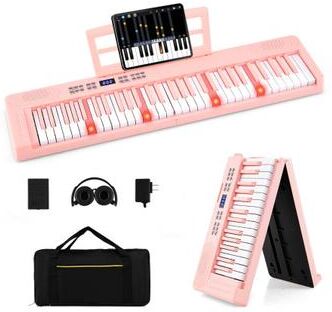
Which instrument or synthesizer is being used?
The instrument being used in the song is a synthesizer. The sound is characterized by its electronic and futuristic quality, which is typical of synthesizers. The synthesizer is often used to create a wide range of sounds and effects, making it a versatile instrument in modern music production. **
Can a synthesizer be used as a MIDI controller?
Yes, a synthesizer can be used as a MIDI controller. Many synthesizers come equipped with MIDI capabilities, allowing them to send and receive MIDI data to control other MIDI-compatible devices such as software instruments, samplers, and DAWs. This means that the synthesizer's keys, knobs, and other controls can be used to manipulate and trigger sounds in external devices, effectively functioning as a MIDI controller. Additionally, some synthesizers also have the ability to transmit and receive MIDI over USB, further expanding their potential as a MIDI controller. **
Top-Angebote
Products related to TRNA:
-
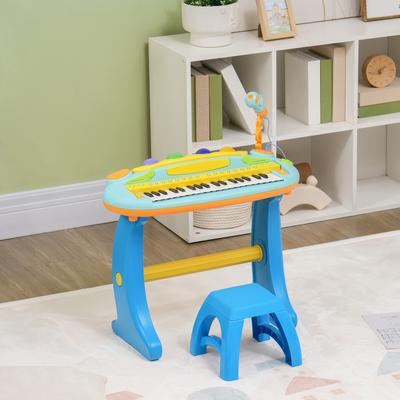
Qaba Kids Piano Keyboard, 37 Key Piano for Kids, Electronic Music Educational Instrument with Microphone, Stool, for 3-6 YearsDescriptions: Spark your child's musical genius with the Qaba kid's piano. This baby piano turns every play session into a concert with 37 keys, 22 built-in songs, and 8 diverse rhythms.85,99 $*Shipping: 0,00 $Secure redirect to the provider
-
All Categories Goods Digital Vernier Caliper, Carbon Fiber Electronic Micrometer Gauge LCD, High Precision Measuring Instrument Digital Vernier Caliper, Carbon Fiber Electronic Micrometer Gauge LCD, High Precision Measuring InstrumentCarbon Fiber Electronic Digital Vernier Caliper Micrometer Gauge LCD Achieve Unmatched Precision and Efficiency When accuracy matters, the Carbon Fiber Electronic Digital Vernier Caliper Micrometer Gauge LCD is your trusted companion. Designed for...35,97 $*Shipping: 0,00 $Secure redirect to the provider
-
What are the critical regions of tRNA?
The critical regions of tRNA are the anticodon loop, the amino acid acceptor stem, and the TΨC (thymine, pseudouridine, cytosine) loop. The anticodon loop is responsible for recognizing and binding to the complementary codon on the mRNA during translation. The amino acid acceptor stem is where the specific amino acid corresponding to the tRNA is attached. The TΨC loop contains modified nucleotides that are important for tRNA stability and function. These critical regions are essential for the proper functioning of tRNA in protein synthesis. **
-
What is the translation in mRNA and tRNA?
Translation is the process in which the genetic information stored in mRNA is decoded to produce a specific protein. In mRNA, the genetic code is a sequence of nucleotides that is read in groups of three called codons. Each codon corresponds to a specific amino acid, which is brought to the ribosome by tRNA molecules. tRNA molecules have an anticodon that pairs with the codon on the mRNA, ensuring that the correct amino acid is added to the growing protein chain. **
-
Where does tRNA come from and how does it function?
tRNA, or transfer RNA, is produced in the nucleus of a cell and then transported to the cytoplasm where it functions in protein synthesis. It is transcribed from DNA and undergoes several modifications before becoming a mature tRNA molecule. tRNA functions by carrying specific amino acids to the ribosome during protein synthesis. Each tRNA molecule has an anticodon that is complementary to a specific codon on the mRNA, allowing it to bring the correct amino acid to the growing polypeptide chain. **
-
How many tRNA are there? Are there as many as amino acids?
There are 61 different tRNA molecules, each corresponding to a specific codon in the genetic code. This includes 20 different tRNA molecules that each carry a specific amino acid, as well as additional tRNA molecules that recognize stop codons and initiate protein synthesis. Therefore, there are more tRNA molecules than there are amino acids. **
Similar search terms for TRNA
-
Costway 37-key Kids Electronic Piano Keyboard Playset-PinkThe 37-key toy piano is designed for kids with multiply functions including 8 rhythms, 8 instrument sounds, 4 percussion sounds and demo songs for a little toddler musician to perform freely.54,99 $*Shipping: 0,00 $Secure redirect to the provider
-
Which sound card is suitable for the MIDI keyboard?
A sound card with MIDI input and output ports is suitable for connecting a MIDI keyboard. This allows the MIDI signals from the keyboard to be transmitted to the computer for recording or playback. Additionally, a sound card with low latency and high-quality digital-to-analog converters can help ensure accurate and high-fidelity sound reproduction from the MIDI keyboard. It is recommended to choose a sound card that is compatible with your computer's operating system and has the necessary drivers for seamless integration with your MIDI keyboard. **
-
Why is my MIDI keyboard not producing any sound?
There could be several reasons why your MIDI keyboard is not producing any sound. First, make sure that the keyboard is properly connected to your computer or audio interface. Check the volume levels on both the keyboard and your computer to ensure they are not muted or set too low. Additionally, make sure that the correct MIDI channel and instrument are selected on your keyboard and in your music software. If you have tried these steps and are still experiencing issues, there may be a problem with the keyboard itself, and you may need to troubleshoot or seek professional help. **
-
Which instrument or synthesizer is being used?
The instrument being used in the song is a synthesizer. The sound is characterized by its electronic and futuristic quality, which is typical of synthesizers. The synthesizer is often used to create a wide range of sounds and effects, making it a versatile instrument in modern music production. **
-
Can a synthesizer be used as a MIDI controller?
Yes, a synthesizer can be used as a MIDI controller. Many synthesizers come equipped with MIDI capabilities, allowing them to send and receive MIDI data to control other MIDI-compatible devices such as software instruments, samplers, and DAWs. This means that the synthesizer's keys, knobs, and other controls can be used to manipulate and trigger sounds in external devices, effectively functioning as a MIDI controller. Additionally, some synthesizers also have the ability to transmit and receive MIDI over USB, further expanding their potential as a MIDI controller. **
* All prices are inclusive of VAT and, if applicable, plus shipping costs. The offer information is based on the details provided by the respective shop and is updated through automated processes. Real-time updates do not occur, so deviations can occur in individual cases. ** Note: Parts of this content were created by AI.